GRODEK
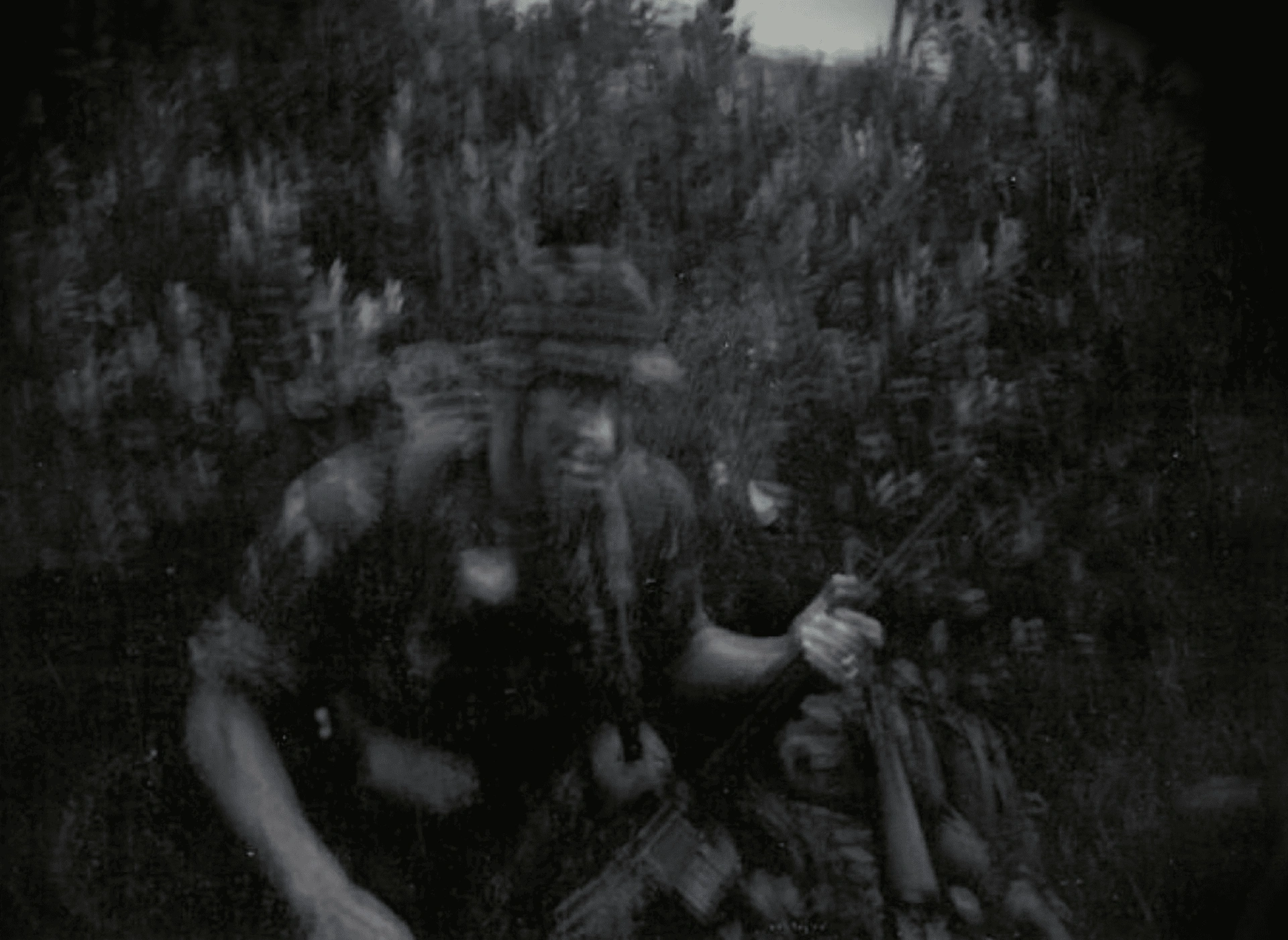
Grodek: this is the name of one of the first mass slaughters of the First World War, which took place in September 1914 between the Russian and Austro-Hungarian armies. Having enlisted as a medical orderly and witnessed the carnage, the Austrian poet Georg Trakl tried to take his own life so that he would no longer have to hear the screams of the wounded soldiers. He died prematurely three months later, at the age of 27. Grodek would be his last poem. Its extreme brevity makes it one of the most harrowing visions of the horrors of war. The film is the cinematic translation of the poem's red and black scream.
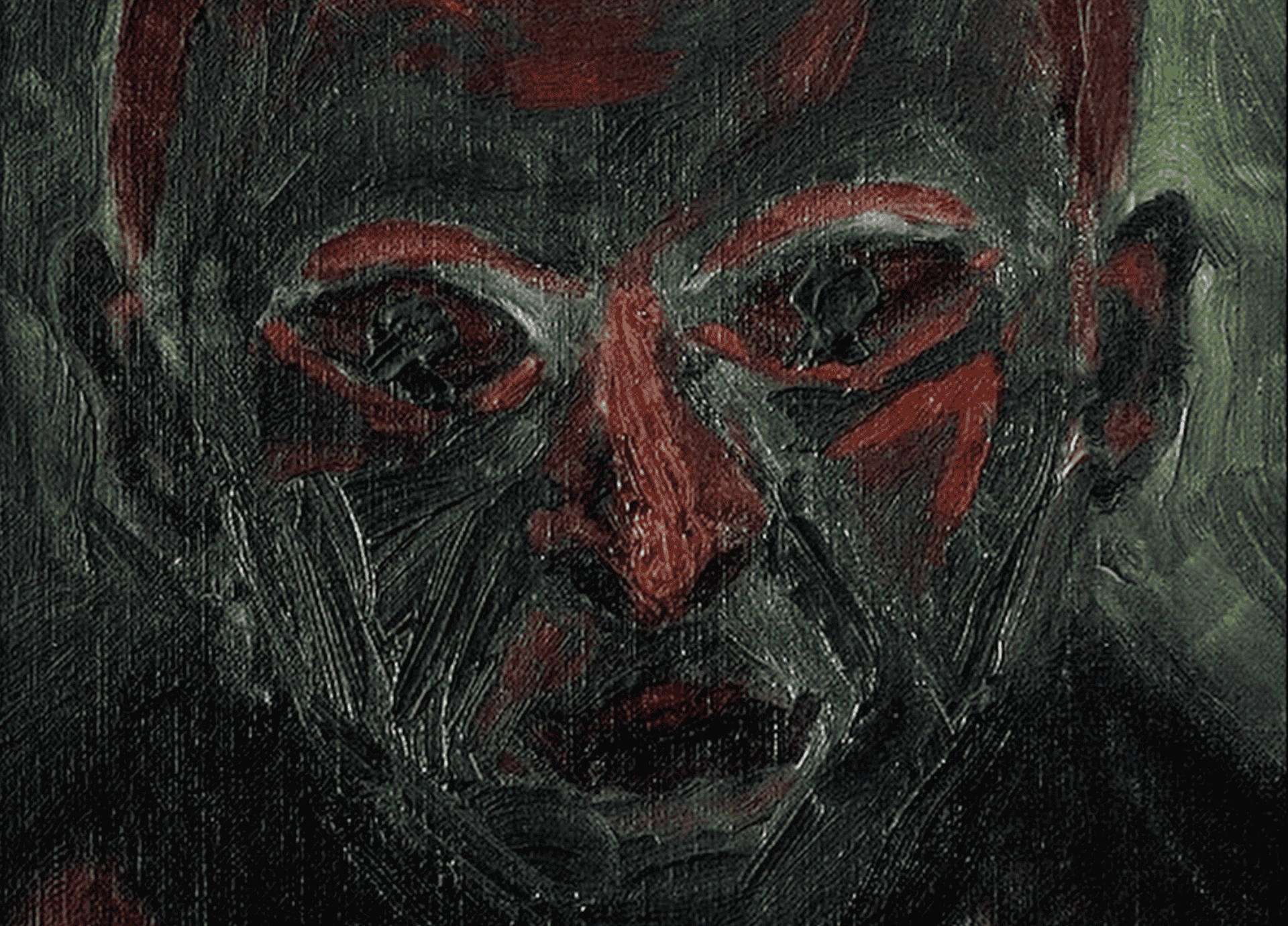
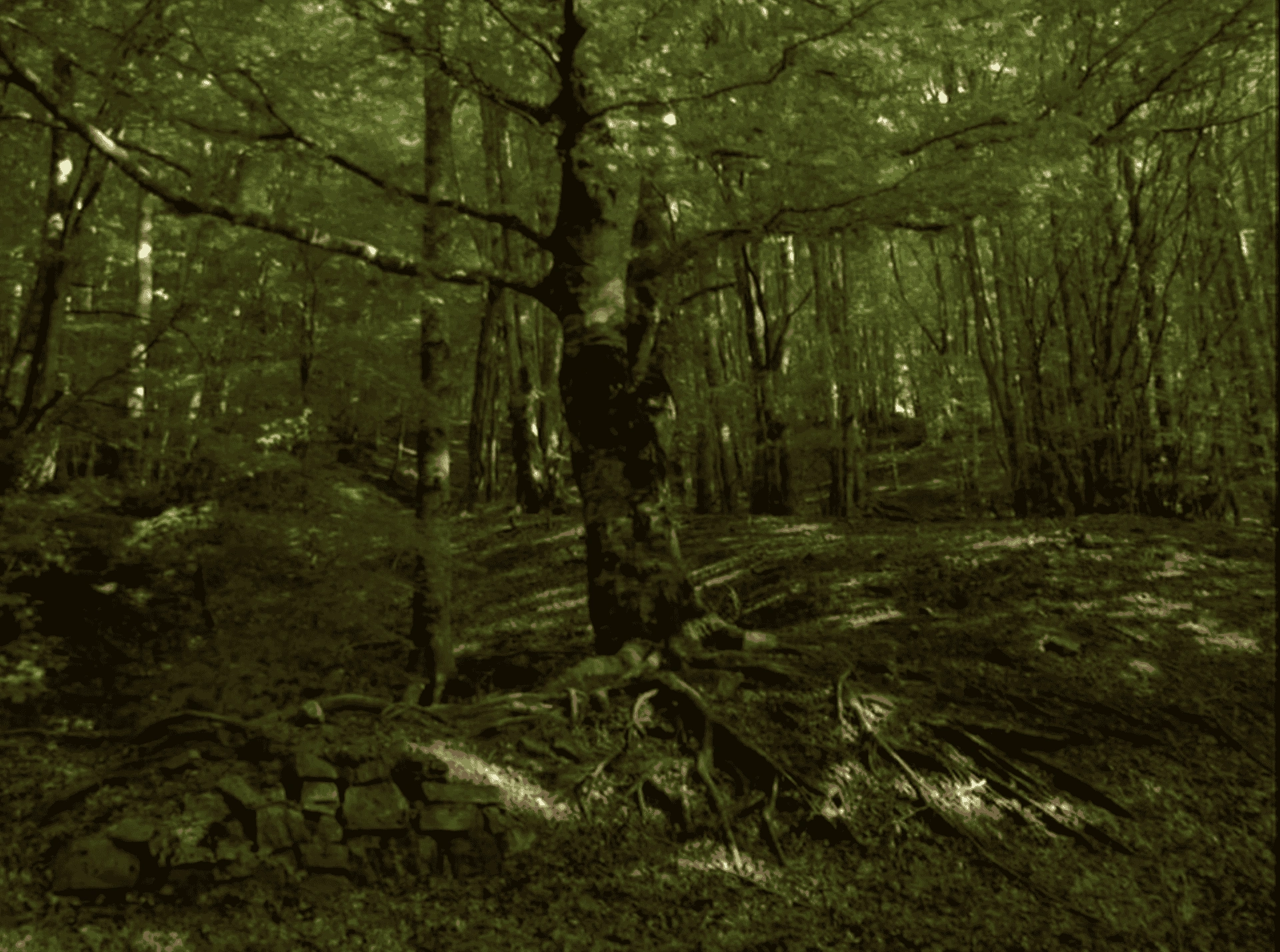
The interplay between cinema and painting traces an arc between two utterly opposed landscapes. On one side is the pre-Impressionist image of unspoiled nature painted by Courbet. On the other is the Expressionist vision of a cosmos whose colours are saturated with violence and human passion, as painted by Nolde. The soldiers in the trenches of 1914 at the opening of the film find their counterpart at the end of the cine-poem in the terribly contemporary image of two soldiers killed in Ukraine, lying face down in a pool of blood. In just nine minutes, the film delivers the most salutary history lesson one could hope to receive. (Cyril Neyrat – FIDMarseille)